
I’ve spent the past three days in Lübeck and Hamburg; an eclectic endeavor that included everything from visiting the remnant husk of a once grand cathedral to visiting a repurposed former Nazi bunker. Spending time in the two cities painted a sharp contrast; the sleepy town of Lübeck with a historical center that preceded the existence of North American British colonies, and the bustling counter-culture of the Hamburg port city center.
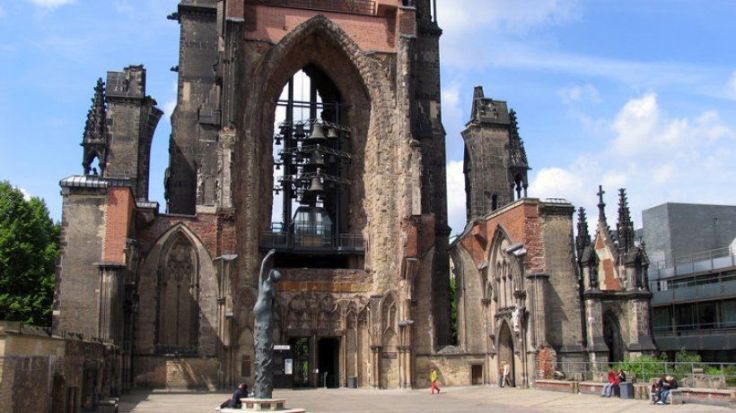
Browsing the art galleries of quaint Lübeck art exhibitions and the grand museum of Hamburg, we searched for the elusive “artwork that works”, and how this manifested both in the past and now. We pondered if the displaced artwork can still do important work in its new setting; other times if the artwork even had the capacity to work at all anymore. Using the Heideggerian principle, we also looked at how the use of a particular artwork altered its meaning and the surrounding narrative.
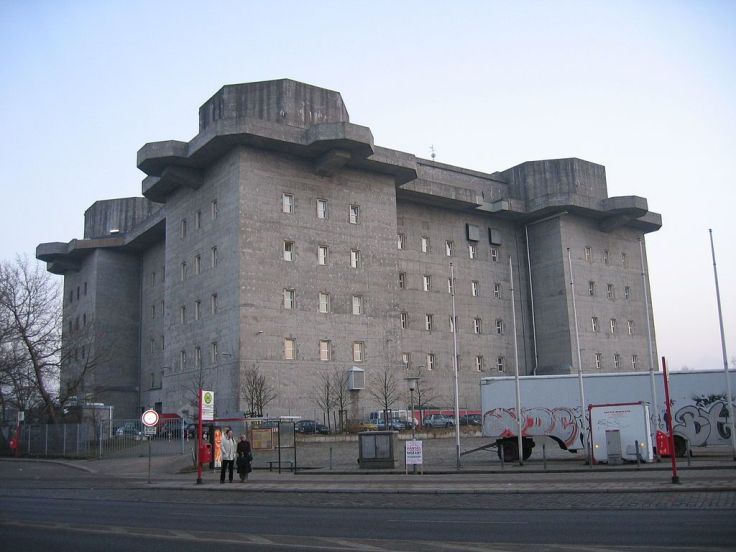
In all, it was an affair that was equal parts intriguing and invigorating, making sense of two cities that lie so close to each other yet are as distinct in nature and flavor as one can be; displaying different sides of the German coin.



 Caramel Plato